
This is one of the first questions people ask after the paint goes on.
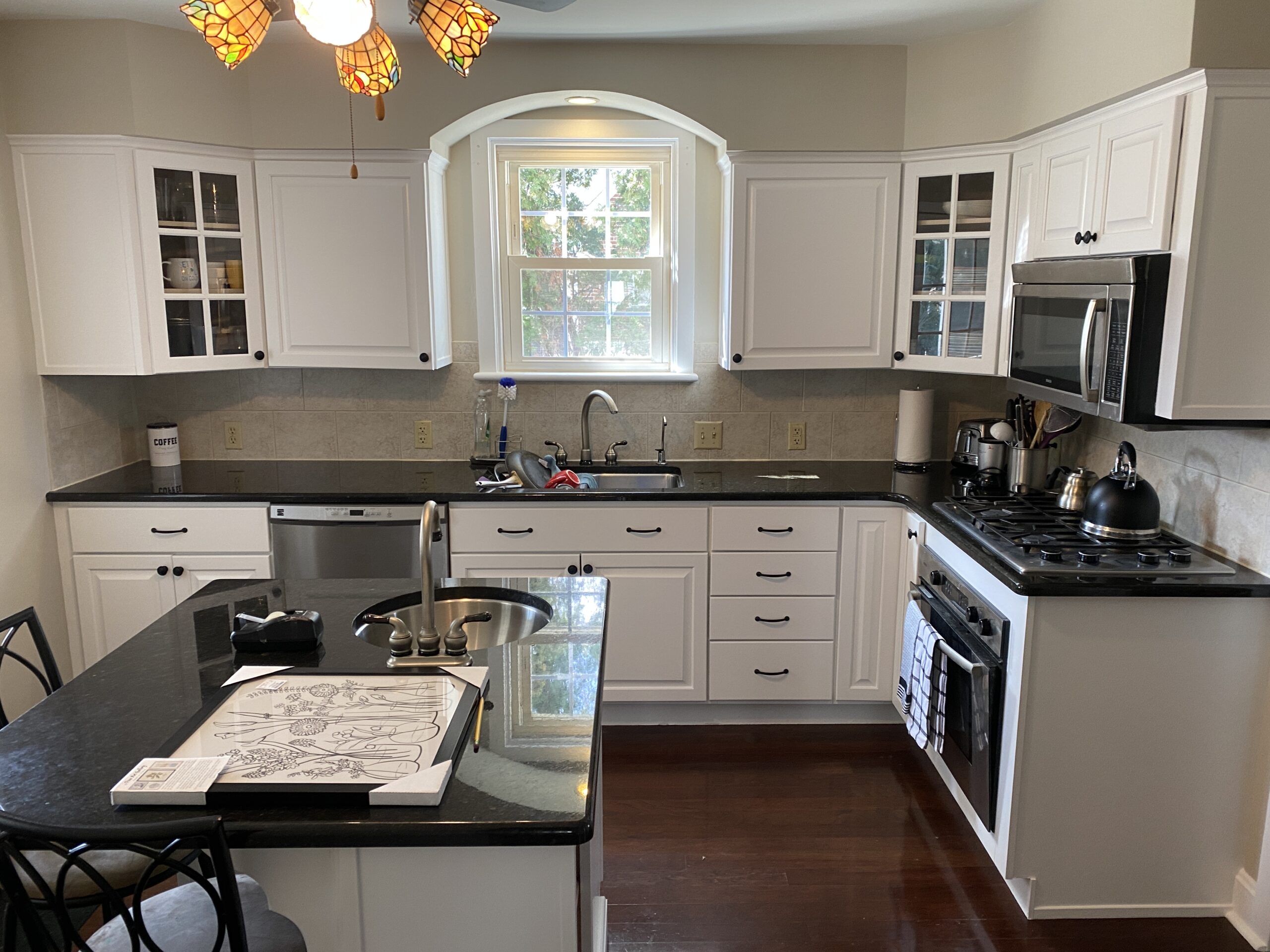
“When can we use the room again?”
And honestly, it’s a good question because paint can feel dry pretty quickly while still not being fully ready for normal life.
That’s where people get tripped up.
A wall may feel dry to the touch in a few hours, but that does not mean it has fully cured. There is a big difference between paint drying and paint hardening completely.
Understanding that difference helps homeowners avoid a lot of frustration later, especially things like smudges, dents, peeling, or marks showing up way sooner than expected.
So let’s break down what actually happens after interior paint is applied and how long you should realistically expect before everything is fully settled.
First, drying and curing are not the same thing
This is the biggest misunderstanding people have.
Drying means the surface no longer feels wet.
Curing means the paint has fully hardened and bonded the way it was designed to.
A room can look completely finished while the paint underneath is still soft.
That’s why freshly painted walls can sometimes get damaged easily during the first few days or weeks if people move furniture too quickly or start scrubbing the surface right away.
Paint manufacturers like Benjamin Moore explain that paint continues curing long after it feels dry to the touch. You can read more about paint drying and curing times here.
So how long does interior paint actually take to dry?
Most modern latex interior paints dry to the touch within a few hours.
In normal conditions:
Touch dry often happens within 1 to 2 hours
A second coat is usually safe after about 4 hours
Light use may be okay within 24 hours
But full curing takes much longer.
In many cases, interior paint continues curing for several weeks before reaching maximum hardness and durability.
That’s why professional painters are careful about telling homeowners not to rush things too quickly after the project is done.
What affects drying time the most?
This is where real life matters more than the label on the paint can.
Humidity
Humidity is one of the biggest factors.
If the air inside the home feels damp or heavy, paint dries slower because moisture in the air slows evaporation.
This becomes more noticeable during humid Pennsylvania summers.
Bathrooms, kitchens, and basements usually take longer to dry because moisture levels stay higher in those spaces.
Temperature
Paint generally dries best in moderate temperatures.
If it’s too cold, drying slows way down.
If it’s extremely hot, the paint can dry too fast on the surface while remaining softer underneath.
Most paint manufacturers recommend moderate indoor temperatures for proper drying and curing.
Ventilation
Good airflow helps paint dry more evenly.
Opening windows, running fans, or using HVAC circulation helps move moisture out of the room.
A closed room with poor airflow usually takes much longer to dry fully.
Type of paint
Different products cure at different speeds.
Higher sheen finishes like satin and semi gloss sometimes take a little longer to fully harden compared to flatter finishes.
Oil based paints also tend to cure slower than modern latex paints.
Why walls sometimes feel dry but still get damaged easily
This catches homeowners all the time.
Someone touches the wall the next day and thinks everything is good.
Then a chair bumps into it or a picture frame gets rehung and suddenly there’s a mark or dent.
That happens because the paint surface dried, but the coating underneath is still soft.
Until curing finishes, paint remains more vulnerable to:
Scuffs
Pressure marks
Furniture rubbing
Aggressive cleaning
Tape pulling paint away
That’s why patience matters more than people think after interior painting.
When can you move furniture back?
Most painters recommend waiting at least 24 hours before moving furniture back carefully.
But there’s an important detail here.
Even after 24 hours, avoid pushing furniture tightly against walls immediately. Paint still needs airflow while curing, and pressure can leave marks if surfaces are still soft underneath.
A good rule is to move furniture back gently and avoid sliding heavy items directly against freshly painted walls for at least several days.
When can you clean freshly painted walls?
This one surprises people too.
Just because paint feels dry does not mean it’s ready for scrubbing.
Most paint manufacturers recommend waiting at least a couple of weeks before washing or aggressively cleaning freshly painted walls.
Trying to clean too early can dull the finish or damage the paint surface before it fully hardens.
Why bathrooms and kitchens take longer sometimes
Rooms with moisture naturally slow things down.
Bathrooms especially can stay humid long after showers, which affects curing time.
Kitchens also deal with heat and moisture regularly.
That’s one reason finish selection matters so much in these spaces. Satin and semi gloss finishes tend to hold up better long term because they handle cleaning and humidity more effectively.
We covered room finish recommendations more deeply here:
What Paint Finish Is Best for Each Room in Your Home?
Sherwin Williams also has a helpful guide explaining paint sheens and finishes and how different finishes perform in different environments.
How York weather affects interior drying times
A lot of homeowners assume indoor paint has nothing to do with outdoor weather.
Not true.
Humidity outside affects humidity inside.
During humid stretches in York, homes naturally hold more moisture in the air unless air conditioning or dehumidifiers are running consistently.
That means paint projects done during humid periods may take longer to fully cure compared to cooler, drier months.
Winter painting often cures more consistently because indoor heating systems reduce humidity levels.
The biggest mistakes homeowners make after painting
This part matters.
Here are the most common things that accidentally damage fresh paint:
Hanging pictures too soon
Sliding furniture against walls
Cleaning marks immediately
Using painter’s tape too early
Closing rooms with no airflow
Assuming “dry” means “fully cured”
Most paint damage right after a project comes from rushing the room back to normal too quickly.
How to help paint cure properly
Fortunately, this part is simple.
Keep airflow moving
Fans and ventilation help moisture escape.
Avoid excess humidity
Use bathroom fans and dehumidifiers if needed.
Give walls breathing space
Avoid pressing furniture tightly against walls immediately.
Be gentle for the first few weeks
Treat fresh paint carefully while curing finishes.
Follow product recommendations
Different products have different cure times.
Benjamin Moore’s guidance on paint drying and curing times explains why curing continues well after the surface feels dry:
Working with Paramount Painters
Interior painting is not just about getting color on the walls. It’s also about making sure the finish holds up long after the crew leaves.
For residential interiors, start here:
Residential Painting Services
For offices, commercial interiors, and business spaces, start here:
Commercial Painting Services
Choosing the right products, finishes, and drying conditions makes a huge difference in how the final result holds up over time.
Final thought
Interior paint dries faster than most people expect.
But curing takes longer.
And understanding that difference is what helps homeowners avoid those frustrating little marks, dents, and touch ups that happen when rooms get used too quickly.
A little patience after painting goes a long way.
Especially when you want the finish to still look clean and fresh months down the road, not just the day the project was finished.